
La semelle
Amorti et maintien renforcé pour foulée pronatrice
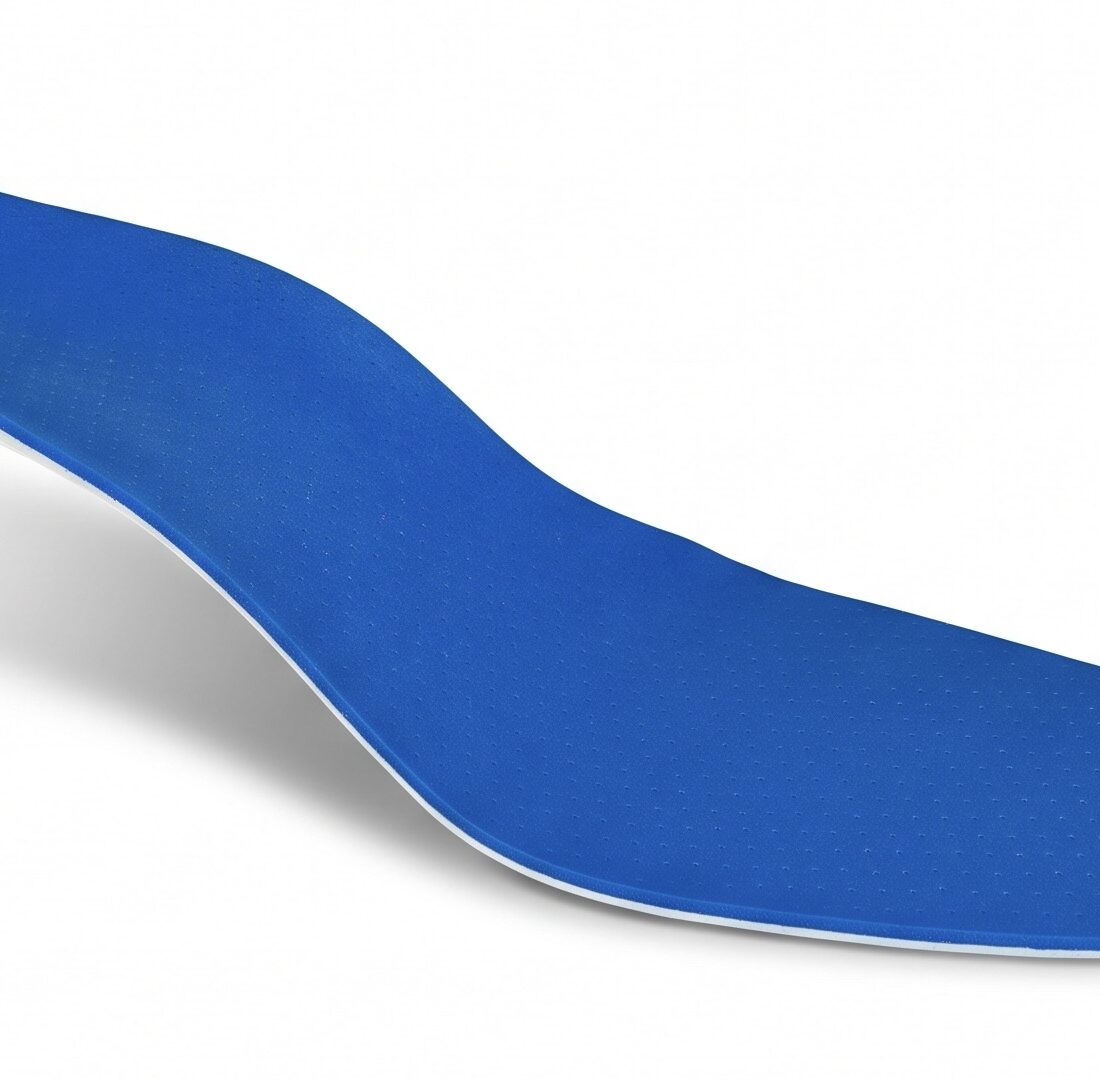
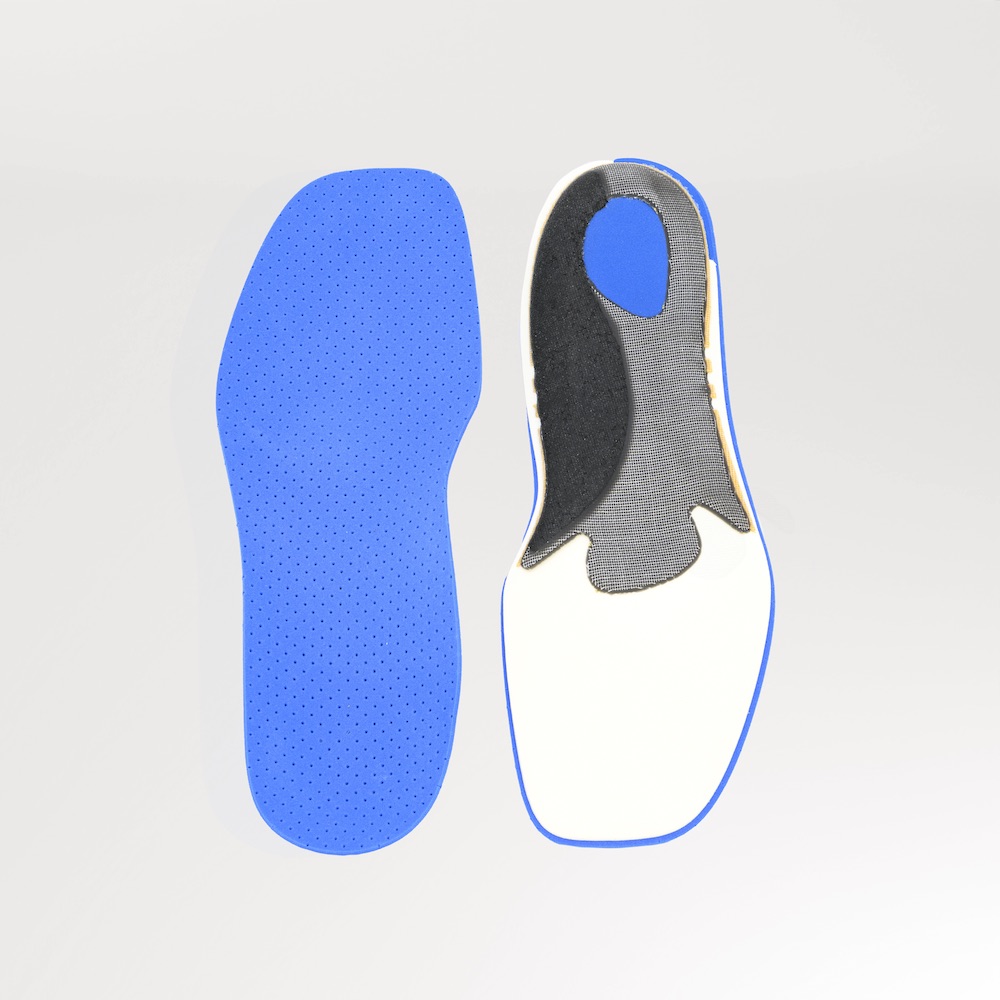
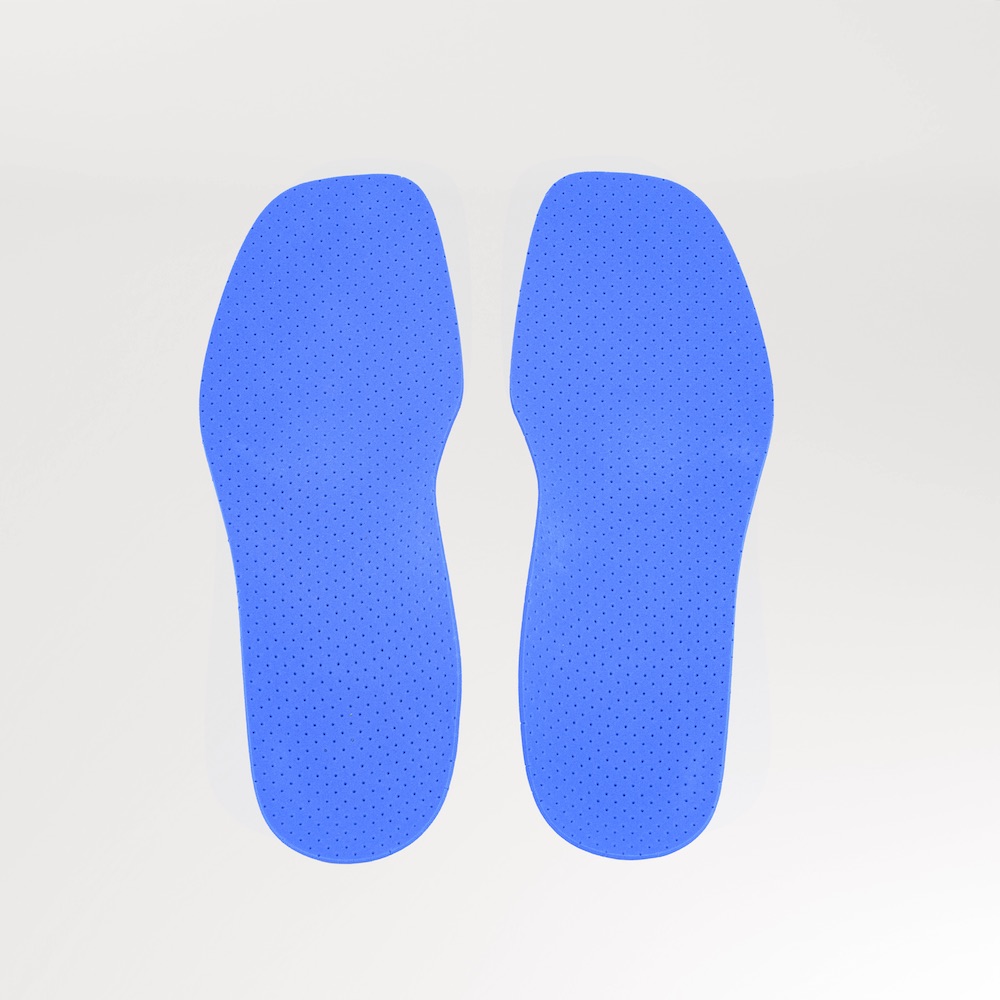
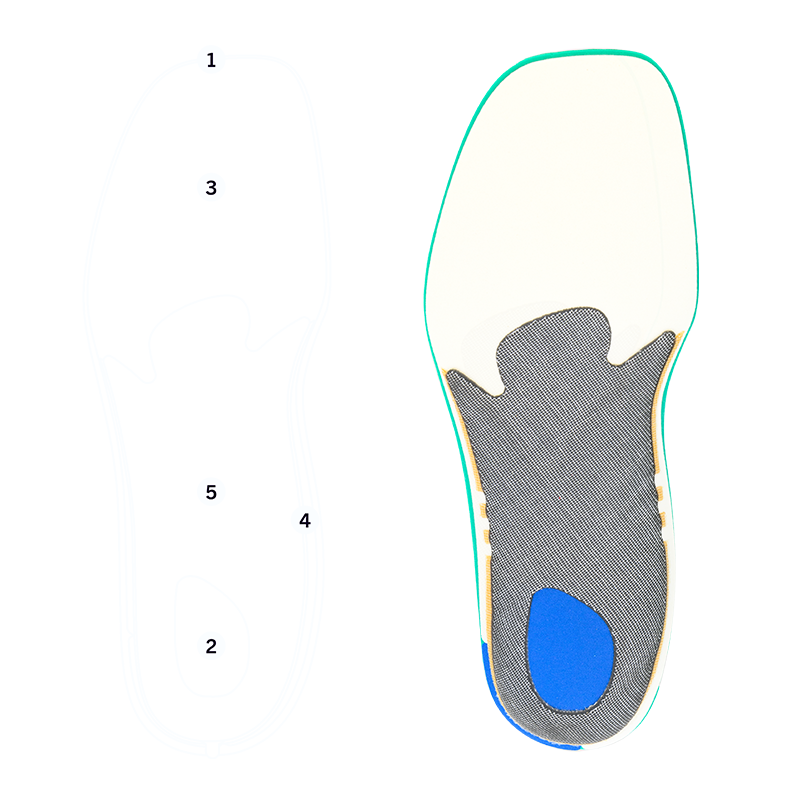
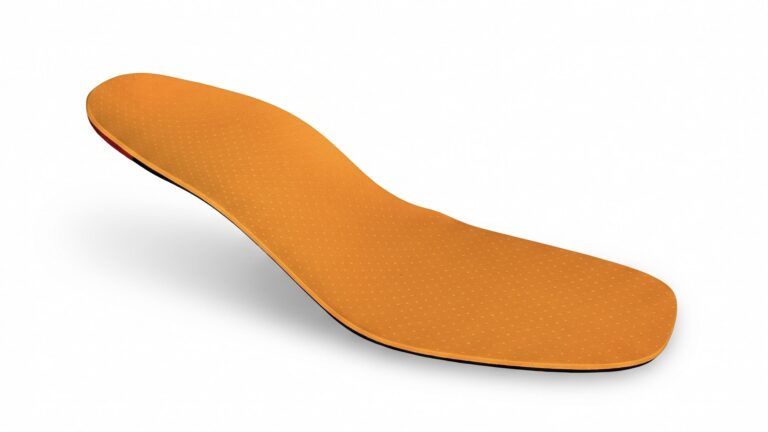
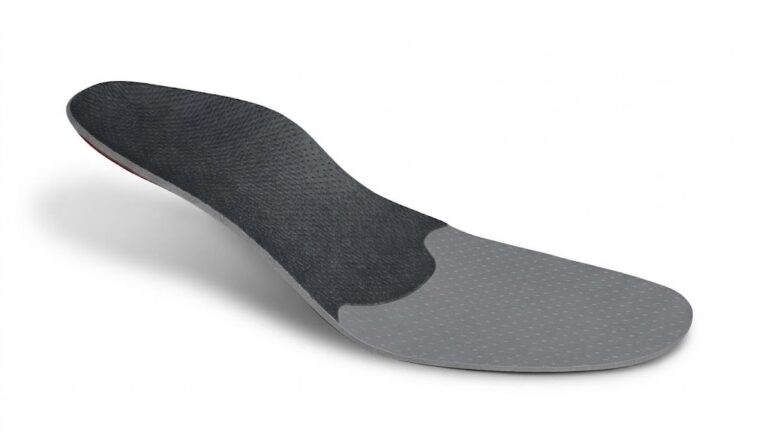
La semelle Waruju « Running Bitume Structure » est la réponse technique adaptée aux coureurs à la pronating gait or for those seeking stability (60% profile for runners). It provides stability underfoot by controlling the internal roll angle to maintain an ideal physiological posture over time. By replacing your original insole, you’re giving your feet a real architectural guide.
Care Instructions & Durability:
- Use : High-performance design dedicated exclusively to running to maximise the durability of technical materials.
- Adjustment : Easy and customisable adaptation to all brands of trainers (see cutting instructions).
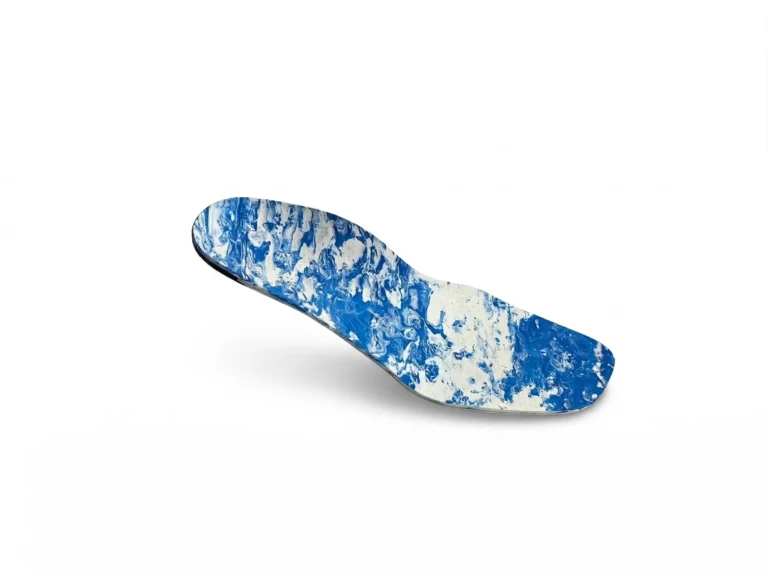
- Interview: To preserve the resin’s properties, allow it to dry naturally away from sources of heat (direct sunlight, radiators).
Your ideal profile: Pronating runner, unstable stride, universal or reinforced trainers.
(For a naturally stable stride, discover our «Universal Running» model).
 Français
  English (UK)
  Español
  Deutsch