
La semelle
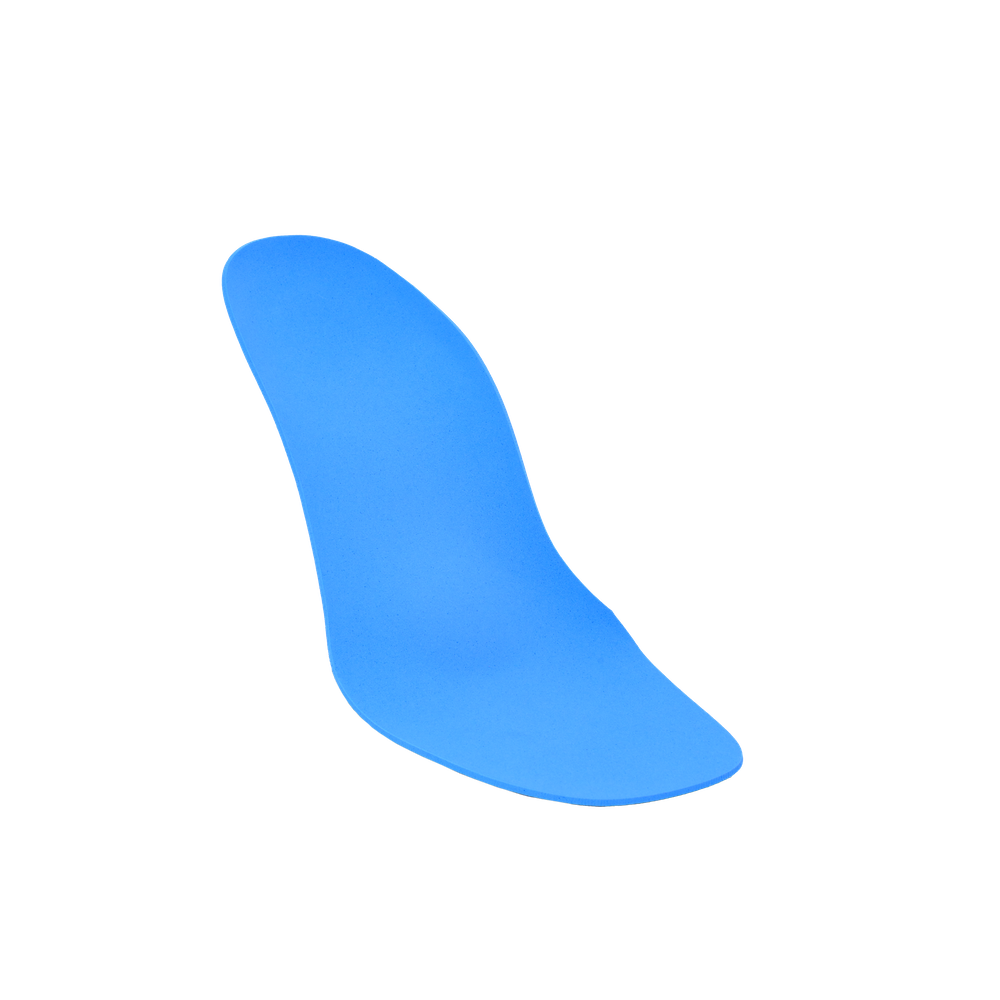
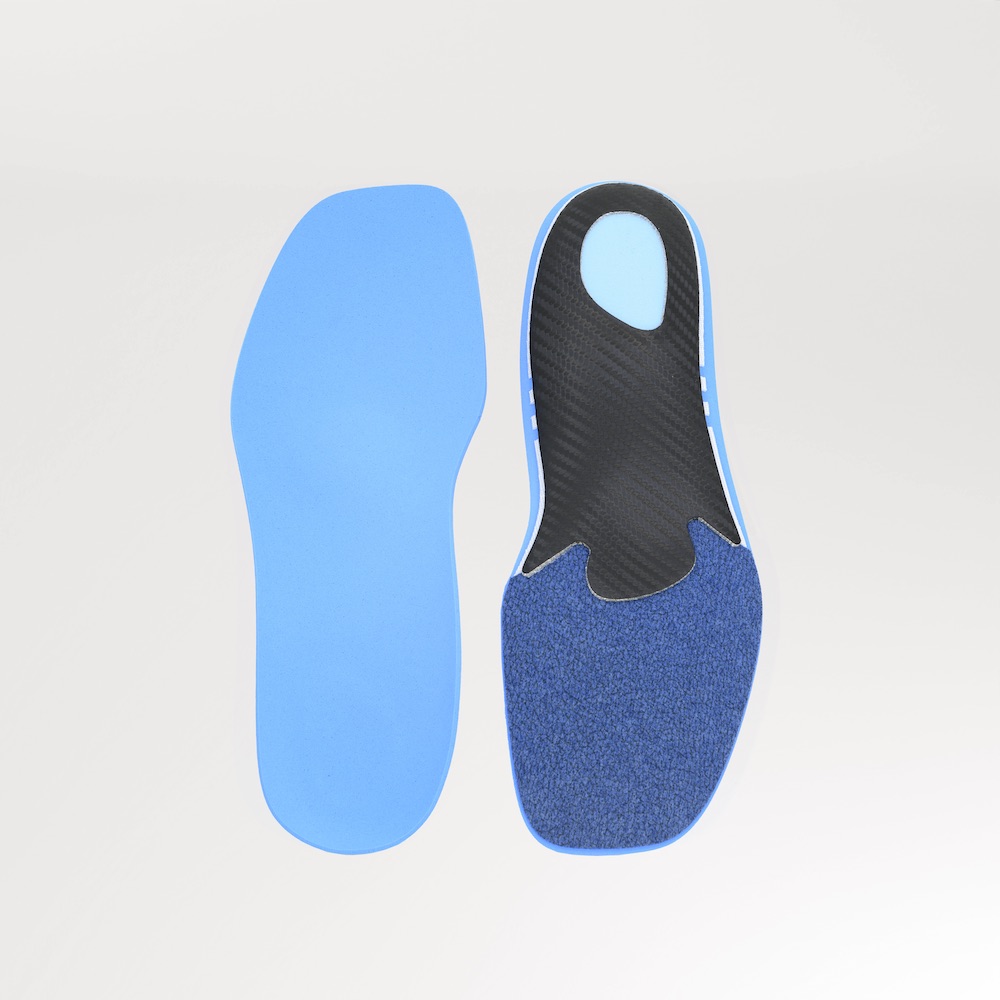
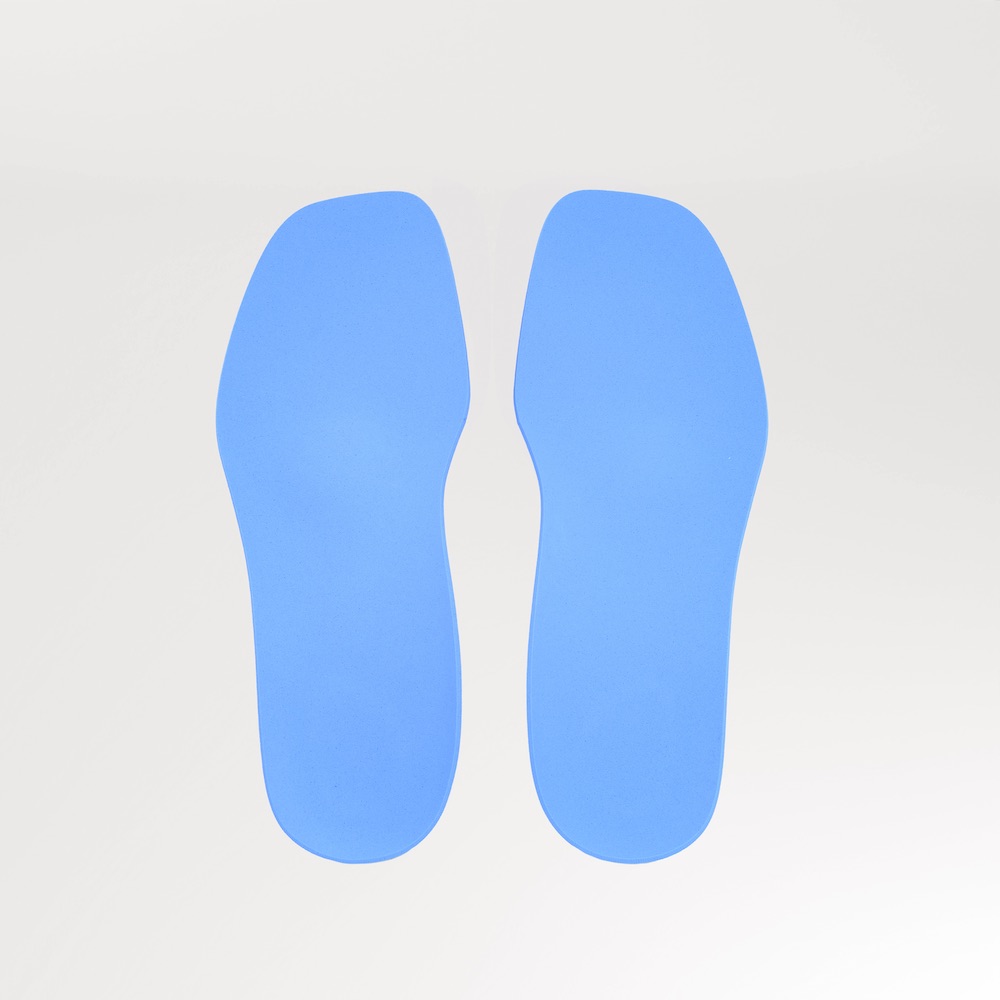
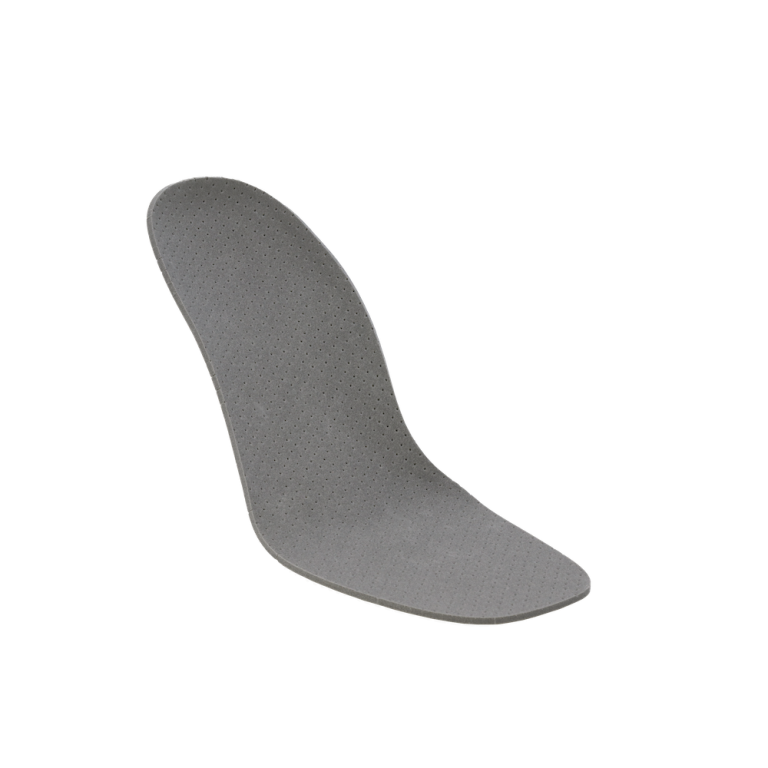
The hockey sole is designed for all skaters keen to push themselves to the limit. Created specifically for these athletes, it keeps the foot in an optimal position whilst ensuring a high level of comfort. What’s more, a dynamic microfibre infuses the foot with energy, reducing effort and promoting optimal rest between each push. The unrivalled expertise of the Waruju workshops reaffirms the importance of the insole as an essential ally for your performance.
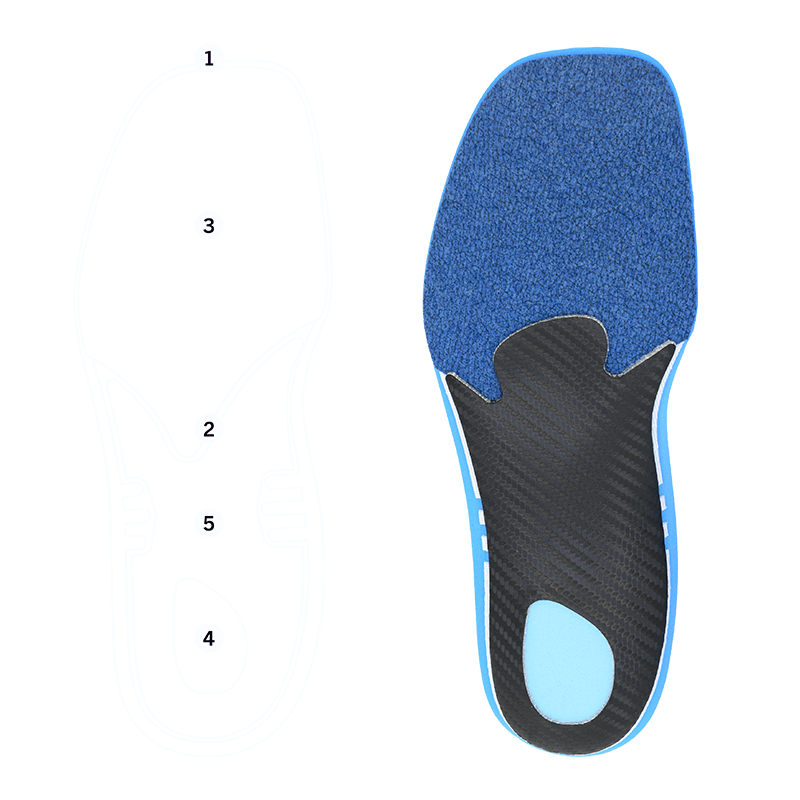
The «Hockey» comfort insoles are designed to be the perfect link between the skate and the skater. Rapid foot movements – whether accelerating, turning or braking – require precise control of the blade on the ice. Every time the inner arch of the foot collapses under pressure, the firm support helps you to «feel» your footing and react quickly. Furthermore, the SynthéWool thermal insulation under the forefoot plays a crucial role in absorbing moisture caused by condensation. Two layers of V-shaped resin provide optimal lateral support for the foot. Finally, a cushioning insert under the heel absorbs vibrations, whilst providing sufficient elevation to help shift the centre of gravity forwards.
 Français
  English (UK)
  Español
  Deutsch